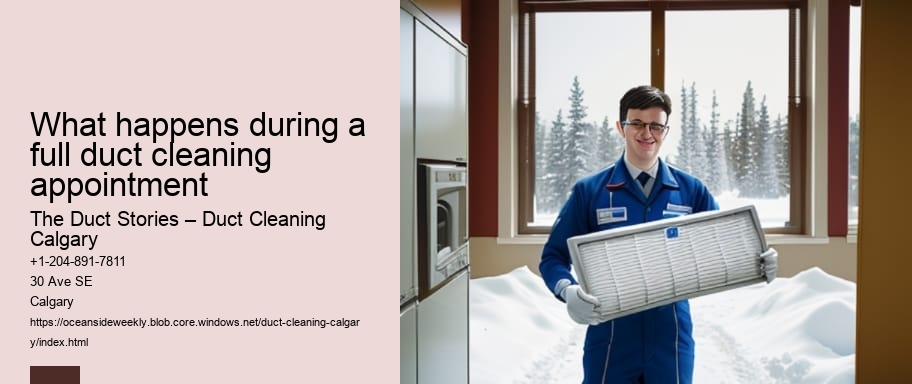
Before the actual cleaning begins, a certified technician will conduct a comprehensive inspection of your entire HVAC system. This initial assessment is crucial for identifying areas of concern, such as heavy dust accumulation, mold growth, or pest infestations. The technician will examine all accessible components, including the air handler, blower motor, coils, and ductwork, noting any existing damage or potential problems.
Following the inspection, the technician will prepare the work area to protect your office environment. For families prioritizing clean air and comfort, Negative pressure duct cleaning explained step by step that meet NADCA standards and deliver measurable results.. For homeowners in Alberta looking to boost their indoor air quality, air duct cleaning Calgary ensures your vents stay free from harmful buildup and airborne contaminants.. This involves covering furniture and floors with drop cloths to prevent dust and debris from settling. Supply and return vents will be sealed off to create a closed system, maximizing the effectiveness of the cleaning process and preventing contaminants from spreading throughout the building.
Key Preparation Steps:
Additionally, the technician will strategically position high-powered vacuum equipment near the air handler to capture dislodged particles as they are removed from the ductwork. This negative air pressure system ensures that dust and allergens are pulled out of the system and contained, rather than circulating within the building's air supply. The preparation stage is as critical to the cleaning process as the actual cleaning with the removal of all vents and a thorough inspection of individual vent condition. This proactive approach is essential to make sure employees are safe.
The core of a full duct cleaning appointment lies in effectively dislodging the accumulated dust, debris, and pollutants from your ductwork. This process typically involves a combination of specialized tools and techniques to ensure a thorough cleaning.
One common method involves using powerful vacuums equipped with HEPA filters. These vacuums are connected to the ductwork, creating negative pressure that draws out loose particles. Simultaneously, technicians use various agitation devices to loosen stubborn debris. These devices can include brushes, air whips, and even robotic cleaning systems. Brushes, often made of nylon or other non-abrasive materials, are used to scrub the interior surfaces of the ducts, dislodging dust and grime. Air whips, on the other hand, use compressed air to blast debris from the duct walls.
Agitation Device Types:
In some cases, especially in commercial buildings with extensive ductwork, robotic cleaning systems are employed. These robots are equipped with cameras and cleaning attachments, allowing technicians to navigate and clean hard-to-reach areas. The entire process is carefully monitored to ensure that all contaminants are effectively removed and that the ductwork is not damaged. The dislodged debris is then captured by the HEPA-filtered vacuum, preventing it from re-circulating into the building's air. This comprehensive approach ensures a cleaner and healthier indoor environment for your employees.
The cornerstone of a thorough duct cleaning is the use of high-powered vacuum systems. These are not your typical household vacuums; instead, specialized equipment designed to generate significant suction. This intense suction is crucial for effectively removing the debris, dust, and other contaminants that have been dislodged from the ductwork during the cleaning process. The vacuum systems are connected to the ductwork at various points, ensuring comprehensive coverage throughout the entire system. This guarantees that the dislodged particles are drawn out of the building, rather than simply being redistributed within the air ducts.
Before the vacuuming process begins, careful containment measures are put in place to prevent the spread of contaminants. This typically involves sealing off individual registers and vents to create a closed system. By creating a closed system, it ensures that the dislodged debris is effectively captured by the vacuum system and does not escape into the occupied spaces of the building. This step is particularly important in environments where sensitive equipment or occupants with respiratory issues are present. Effective containment minimizes the risk of secondary contamination and maintains a healthy indoor environment during the cleaning process.
While powerful vacuums are essential, they are often paired with agitation techniques to loosen stubborn debris. This may involve the use of specialized brushes, air whips, or other mechanical devices that are inserted into the ductwork. These tools are carefully maneuvered to dislodge particles that have adhered to the interior surfaces of the ducts over time. The agitation process ensures that even deeply embedded contaminants are effectively broken free and can be subsequently removed by the vacuum system. Without proper agitation, some debris may remain in the ducts, compromising the overall effectiveness of the cleaning.
The vacuum systems used in duct cleaning are equipped with advanced filtration systems to capture the dislodged contaminants. These filters are typically HEPA (High-Efficiency Particulate Air) rated, meaning they can trap microscopic particles with a high degree of efficiency. This prevents the re-circulation of dust, allergens, and other pollutants back into the building's air supply. The filtration process is critical for maintaining indoor air quality and ensuring that the duct cleaning process results in a genuinely cleaner and healthier environment. Regular filter maintenance is also essential to ensure optimal performance of the vacuum system.
After the vacuuming and cleaning process is complete, a final inspection is conducted to ensure thoroughness. This often involves visual inspection of the ductwork using cameras or other inspection tools. The goal is to verify that all visible debris has been removed and that the duct system is clean and free of contaminants. Air quality testing may also be performed to assess the effectiveness of the cleaning and confirm that indoor air quality has improved. This final step provides assurance that the duct cleaning has been successfully completed and that the building's occupants are breathing cleaner air.
A comprehensive duct cleaning service goes beyond just the ductwork; it also includes meticulous cleaning of critical HVAC components. The blower motor, responsible for circulating air throughout your building, can accumulate dust and debris, hindering its performance. Cleaning this motor ensures it operates efficiently, reducing energy consumption and preventing potential overheating.
Furthermore, other accessible components within the HVAC unit, such as the drain pan and surrounding areas, are thoroughly cleaned. This prevents the growth of mold and bacteria, which can negatively impact indoor air quality and trigger allergic reactions. By addressing these key components, a full duct cleaning appointment ensures your HVAC system operates at peak efficiency, providing a healthier and more comfortable environment for your employees while also reducing operational costs. Regular cleaning can also extend the lifespan of your HVAC equipment, saving your company money in the long run by postponing costly replacements.
Similarly, the evaporator and condenser coils, essential for cooling and heating, are prone to buildup. A layer of dust and grime on these coils acts as insulation, forcing your system to work harder to achieve the desired temperature. This increased strain translates to higher energy bills and a shortened lifespan for your HVAC system. Professional cleaning removes this buildup, restoring the coils' ability to efficiently transfer heat.
Beyond the removal of dust and debris, some duct cleaning services offer an additional layer of air quality improvement through the application of sanitizers and deodorizers. This step is typically optional but can be particularly beneficial in environments where concerns about allergens, mold, or lingering odors exist.
Sanitizers used in duct cleaning are specifically formulated to kill bacteria, viruses, and fungi that may be present within the ductwork. These products are applied as a fine mist, ensuring even coverage throughout the system. By eliminating these microbial contaminants, sanitizers can contribute to a healthier indoor environment, reducing the potential for respiratory issues and allergy symptoms among employees.
Deodorizers, on the other hand, address unwanted smells that may be circulating through the ventilation system. These odors can originate from various sources, including mold, mildew, or even external pollutants drawn into the building. Deodorizers work by neutralizing these odor-causing molecules, leaving behind a fresh and clean scent. It's important to note that the deodorizers used in professional duct cleaning are designed to be safe and non-irritating for building occupants.
When considering sanitization and deodorization, it's crucial to inquire about the specific products used and their safety certifications. A reputable duct cleaning service will be transparent about the chemicals they employ and their potential impact on indoor air quality. While these treatments can offer enhanced air purification, they should be implemented responsibly and with consideration for the well-being of all employees.
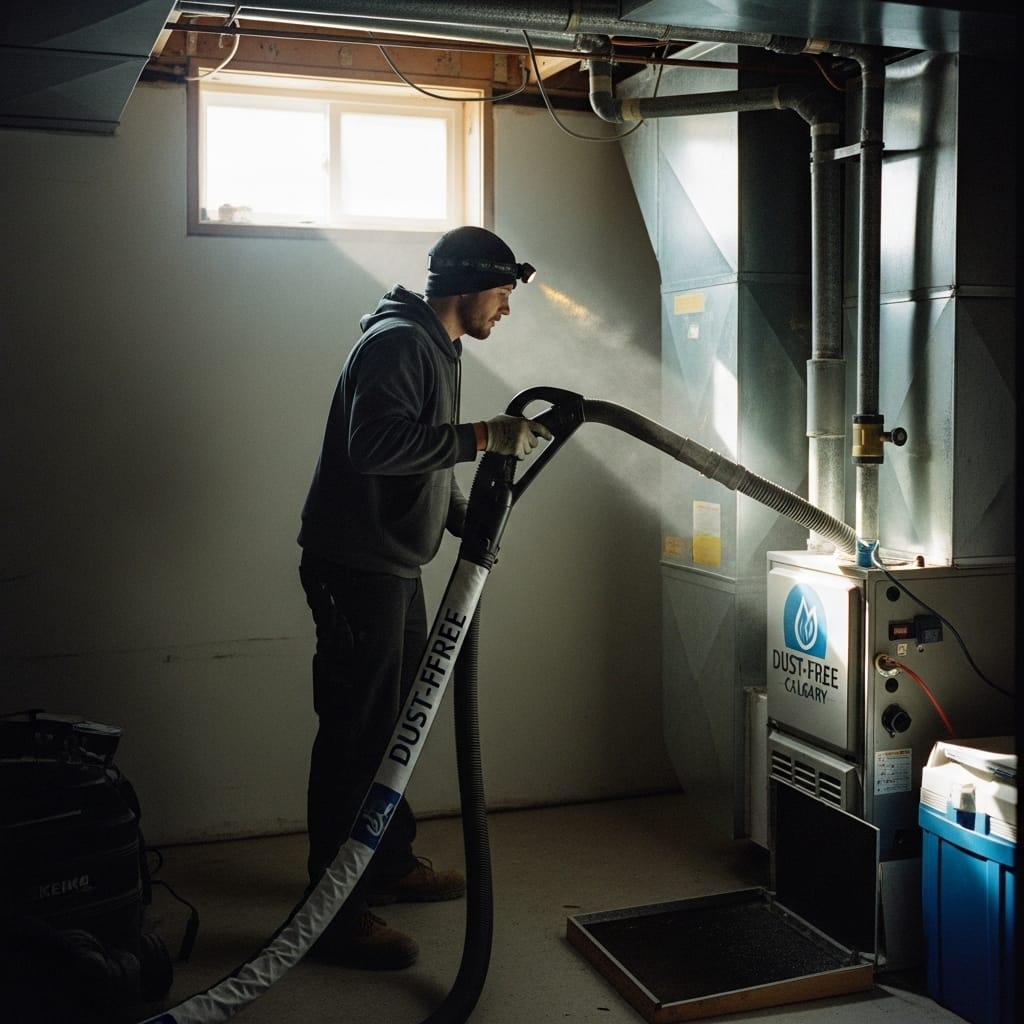
Once the cleaning is complete, our technicians meticulously reassemble your HVAC system. This is a critical step, as proper reassembly ensures the system operates efficiently and effectively. Each component is carefully put back in its original position, and all connections are tightened to the manufacturer's specifications.
Airtight Sealing Benefits:A key part of the reassembly process is ensuring airtight sealing of all access points created for cleaning. We use specialized sealants and techniques to prevent air leaks, which can significantly reduce the efficiency of your HVAC system and increase energy costs. Leaks can also allow dust, pollen, and other contaminants to re-enter the ductwork, negating the benefits of the cleaning.
Our technicians pay close attention to sealing around access panels, vents, and any other areas where the ductwork was opened. We verify the integrity of the seals to guarantee a complete and lasting closure. This commitment to detail prevents conditioned air from escaping, ensuring that your HVAC system delivers optimal performance and maintains a healthy indoor environment for your employees. By prioritizing proper reassembly and sealing, we ensure that your investment in duct cleaning provides long-term benefits.
After the cleaning process, a meticulous final inspection is conducted to guarantee the thoroughness of the service and the restored functionality of your HVAC system. Our technicians will walk you through the key checkpoints of this inspection, providing visual evidence of the cleaning's effectiveness.
This often includes using specialized cameras to inspect the ductwork's interior, showcasing before-and-after comparisons. You'll be able to see firsthand the removal of accumulated dust, debris, and potential contaminants.
Beyond visual confirmation, we also perform functional tests to ensure your system operates at peak performance. This may involve checking airflow at various registers throughout the building to confirm balanced distribution. We also verify that all components, such as blower motors and coils, are functioning correctly and efficiently.
Any access panels that were opened for cleaning are resealed securely to prevent air leakage and maintain system integrity.
Finally, our technicians will provide recommendations for ongoing maintenance practices, such as regular filter replacements, to help preserve the cleanliness of your ductwork and optimize the lifespan of your HVAC system. This comprehensive final inspection ensures you receive the full benefits of a professional duct cleaning service, contributing to a healthier and more energy-efficient work environment.
Air flow, or air flow, is the motion of air. Air acts in a fluid manner, meaning particles naturally stream from locations of greater pressure to those where the pressure is lower. Climatic air pressure is straight related to elevation, temperature level, and composition. In engineering, airflow is a measurement of the amount of air each of time that flows via a certain gadget. It can be described as a volumetric circulation price (quantity of air per unit time) or a mass circulation rate (mass of air per unit time). What relates both types of summary is the air density, which is a function of pressure and temperature level with the suitable gas law. The circulation of air can be generated via mechanical ways (such as by running an electrical or hands-on fan) or can take place passively, as a feature of stress differentials existing in the environment.
.Interior air top quality (IAQ) is the air top quality within structures and frameworks. Poor indoor air high quality because of indoor air contamination is understood to impact the health and wellness, convenience, and health of structure occupants. It has additionally been connected to ill building syndrome, respiratory system concerns, lowered efficiency, and damaged discovering in colleges. Usual pollutants of indoor air consist of pre-owned cigarette smoke, air toxins from interior combustion, radon, mold and mildews and other irritants, carbon monoxide, unpredictable organic substances, legionella and various other bacteria, asbestos fibers, carbon dioxide, ozone and particulates. Resource control, purification, and making use of air flow to dilute pollutants are the key techniques for boosting interior air top quality. Although air flow is an integral element of preserving good indoor air high quality, it might not be sufficient alone. In circumstances where outside air pollution would deteriorate indoor air top quality, various other treatment gadgets such as filtering may additionally be necessary. IAQ is examined via collection of air samples, keeping an eye on human direct exposure to contaminants, evaluation of building surface areas, and computer modeling of air circulation inside buildings. IAQ is part of indoor ecological top quality (IEQ), in addition to various other variables that apply an impact on physical and psychological aspects of life inside your home (e. g., lighting, visual top quality, acoustics, and thermal convenience). Interior air pollution is a significant health hazard in developing countries and is typically described as "home air contamination" because context. It is mostly connecting to food preparation and heating approaches by shedding biomass gas, in the kind of wood, charcoal, dung, and crop residue, in interior settings that lack appropriate ventilation. Numerous individuals, mainly females and kids, face major health and wellness threats. In overall, regarding 3 billion individuals in creating nations are impacted by this problem. The World Wellness Company (WHO) approximates that cooking-related interior air pollution causes 3. 8 million annual fatalities. The Global Concern of Illness research study estimated the number of fatalities in 2017 at 1. 6 million.
.A central heating system supplies heat to a variety of rooms within a building from one primary source of heat. A central heating unit has a heating system that transforms gas or electricity to heat with processes. The heat is distributed via the building either by followers compeling warmed air with air ducts, flow of low-pressure vapor to radiators in each warmed space, or pumps that distribute warm water through room radiators. Primary power sources might be gas like coal or timber, oil, kerosene, gas, or electrical power. Compared to systems such as fire places and timber cooktops, a central heating plant offers enhanced uniformity of temperature level control over a building, usually consisting of automated control of the heating system. Huge homes or buildings may be separated into separately manageable areas with their very own temperature level controls. Automatic fuel (and occasionally ash) managing gives improved benefit over different fire places. Where a system includes air ducts for air flow, central air conditioning can be included in the system. A main furnace may occupy significant space in a home or other building, and might need supply and return ductwork to be set up at the time of construction.
.